How to make espresso
You don't need a professional café setup to make good espresso at home, but a few details make all the difference.
What you'll need:
- 7-9 g of freshly ground espresso beans per shot (14-18 g for a double shot)
- Espresso machine with 9 bar pump pressure, or a French press/AeroPress as an alternative
- A grinder that can grind finely and evenly
- Water heated to 90-96°C
Here's how:
- Grind the beans fresh, just before brewing; espresso loses aroma quickly once ground.
- Dose 7-9 g of coffee into the portafilter and tamp the coffee evenly and flat.
- Place the portafilter in the machine and start the brewing time.
- Aim for 25-30 ml output in 20-30 seconds.
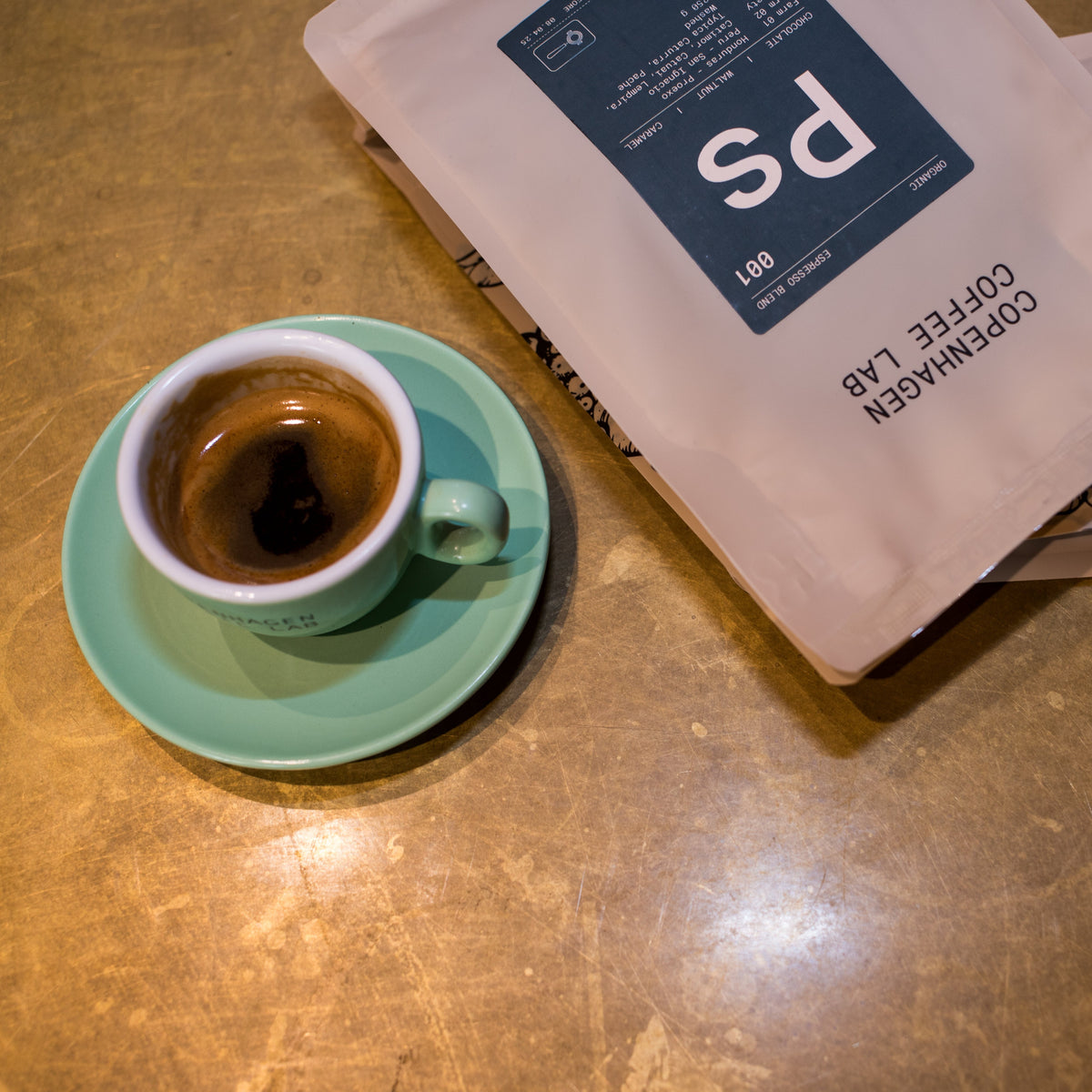
- Look for a golden-brown crema with a thick, even layer; this is the sign of a well-balanced extraction.
If the brewing time is too fast (under 20 seconds), the coffee is usually ground too coarsely. If it takes too long (over 35 seconds), the grind size is typically too fine. This is one of the things we fine-tune daily at our cafés because even small changes in humidity and bean freshness can affect extraction.
What is a good espresso?
A good espresso is not characterized by how bitter or strong it is, but by balance. You should be able to taste sweetness, acidity, and body simultaneously, without one dominating.
For you, this means: If your espresso tastes sharp and bitter, it is likely over-extracted or made from old beans. If it tastes thin and acidic, it is often under-extracted. A well-balanced espresso should feel round in the mouth, with a creamy consistency and an aftertaste that lingers, not just burns off.
CCL perspective: We test our espressos ourselves with a ratio of 11 g of coffee to 180 g of water at 96°C during our cupping process in the roastery, where we assess the clarity of the terroir, the balance between sweetness and acidity, and the drink's tactility. This is the same standard we strive for, whether the coffee ends up in an espresso machine at one of our cafés or in your coffee grinder at home.
What is espresso coffee and which beans are best suited?
"Espresso coffee" typically refers to beans that are roasted and selected specifically for espresso brewing, often roasted a little darker and with a profile that works well both as pure espresso and with milk. However, it is important to understand: any coffee bean can in principle be used for espresso. It's more about roasting, freshness, and grind size than about a specific type of bean.
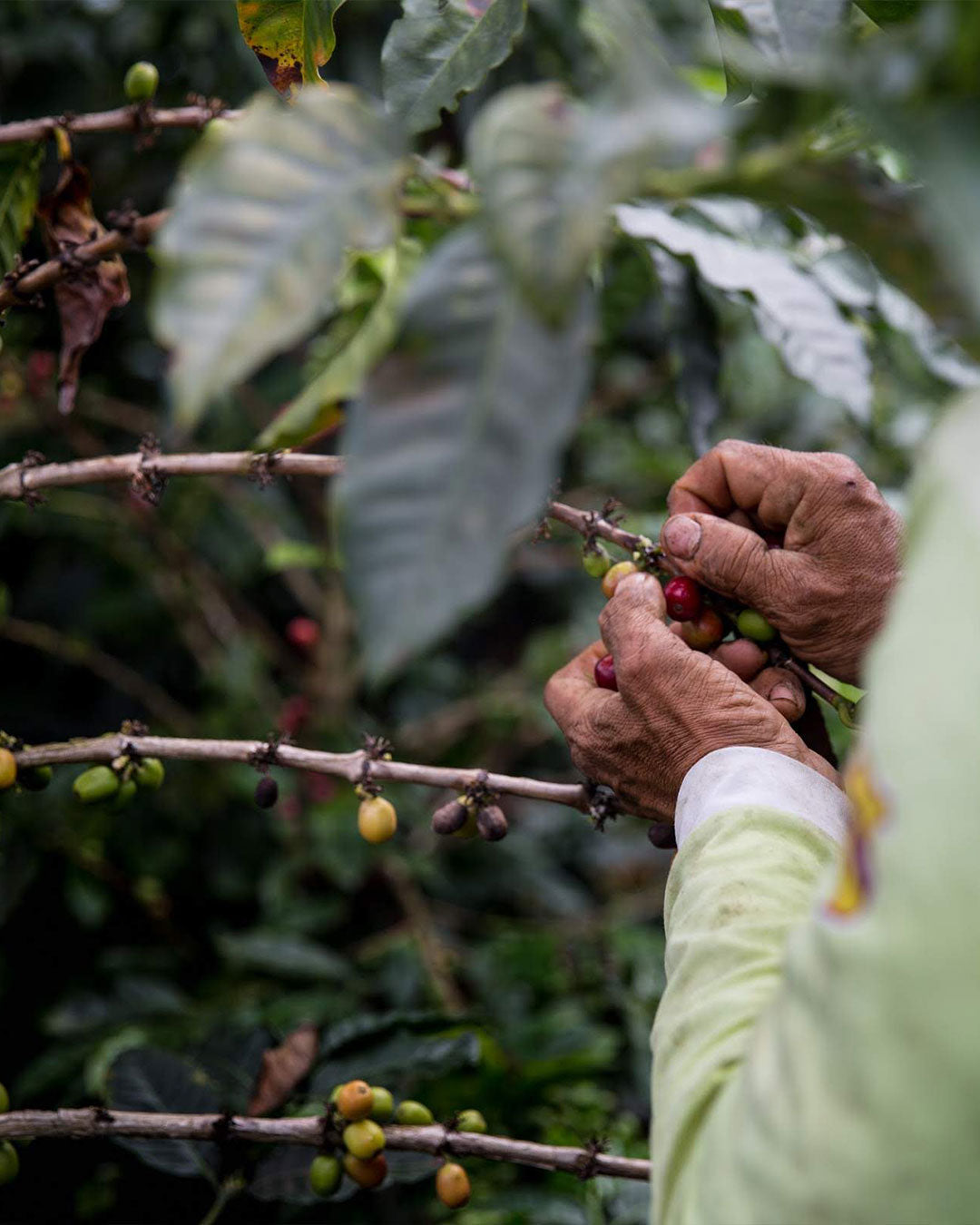
At our company, we roast all our beans in our own roastery in Copenhagen, and we always send coffee that has been roasted within the last 10 days. This means that when you brew espresso with our beans, you get a fresh, deep, and complex cup, whether you drink it black or use it as a base in a cappuccino or latte.
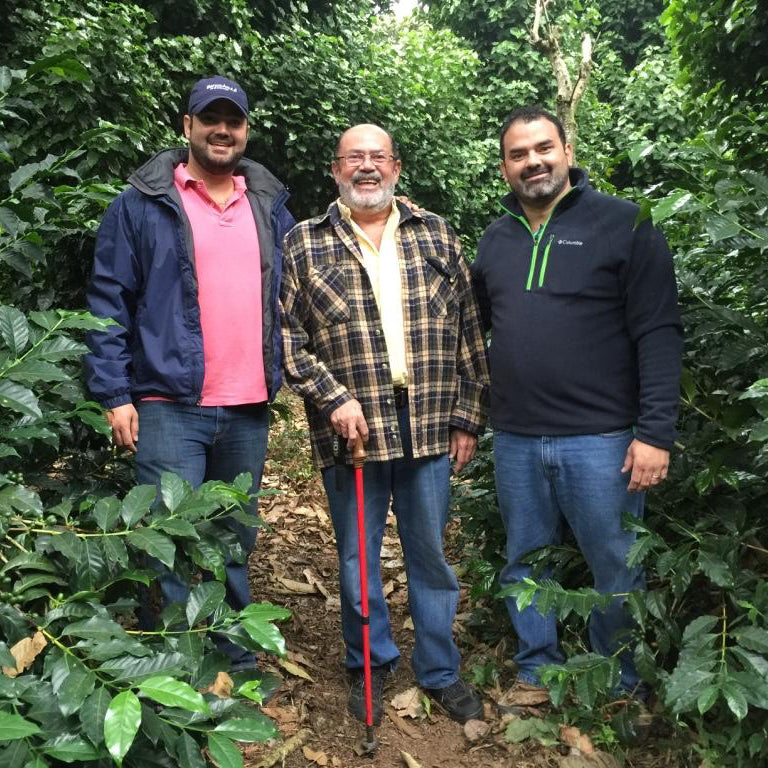
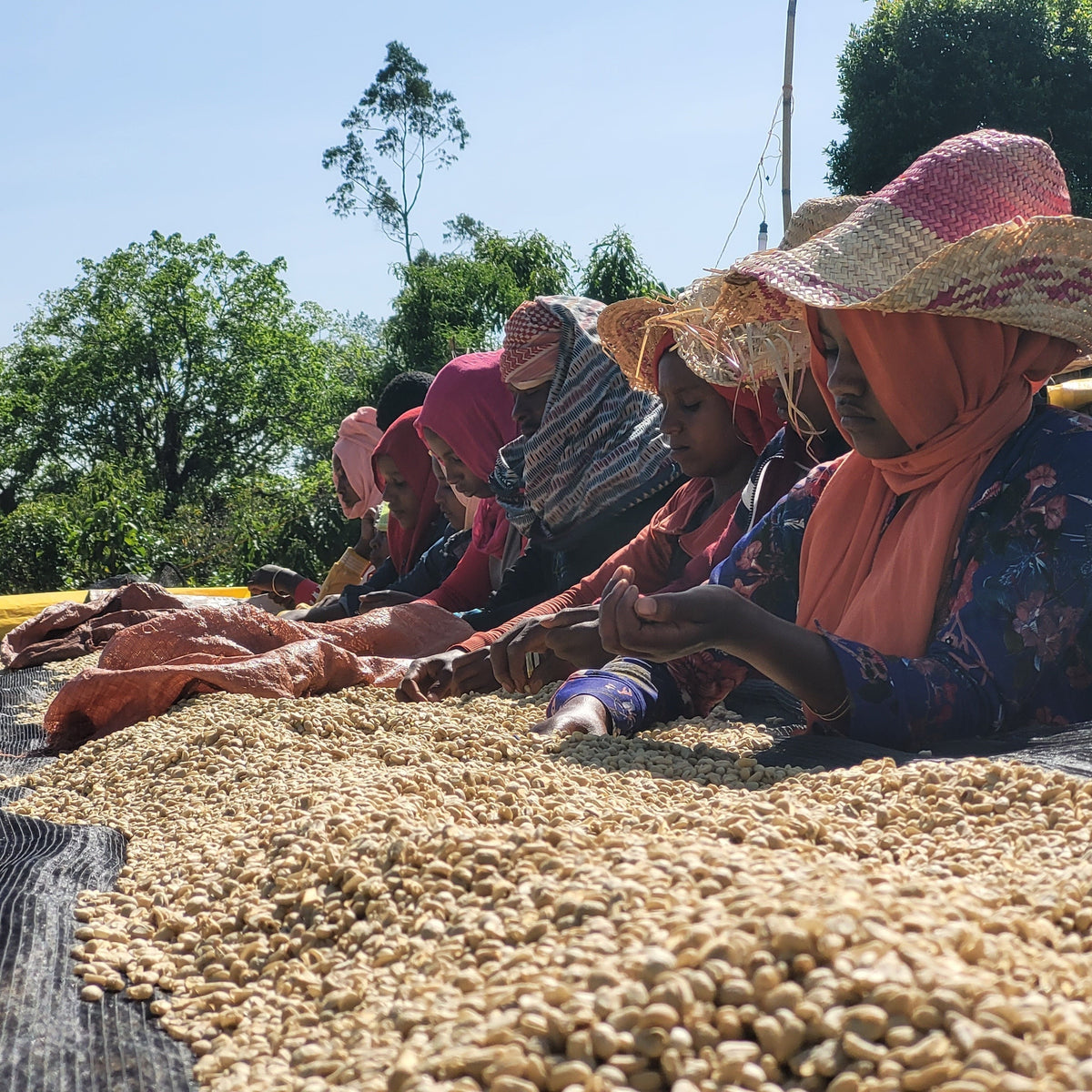
Some of our most popular espresso beans are Campo Das Vertentes from Brazil and Finca Ceylan from Guatemala, both selected to provide a full-bodied, balanced espresso with notes that work well both pure and with milk. If you want to compare more profiles, you can explore our entire selection of espresso beans, which are also available in organic and Fairtrade-certified varieties.
Copenhagen Coffee Lab's perspective
For us, espresso is not about extracting as much coffee as possible in the shortest possible time. It's about giving the bean the best opportunity to showcase itself, concentrated, honestly, and without detours. Whether you enjoy your shot neat, as a base in a cappuccino, or are currently practicing at home, the principle is the same: fresh beans, the right grind, and a little patience make the best cup. If you want to taste the difference yourself, you can explore our espresso beans or stop by one of our cafés.