Is Ethiopian coffee always organic?
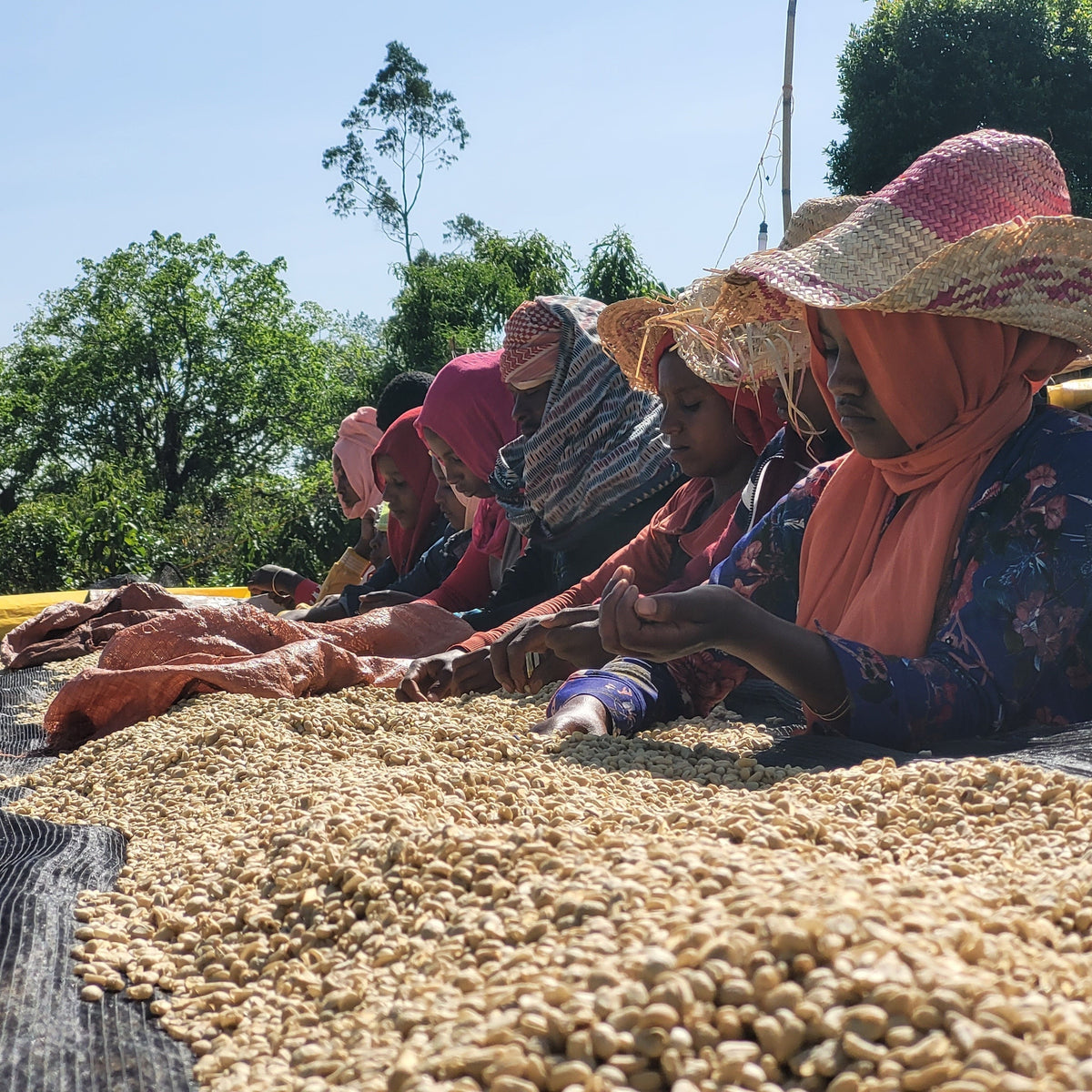
Not automatically, but often in practice. Many Ethiopian coffee farms, especially smaller family-run ones, cultivate without synthetic pesticides because coffee historically grows semi-wild under the forest canopy. However, this does not make the coffee certified organic unless it has been formally approved. At Copenhagen Coffee Lab, we are generally transparent about when a coffee has a certification and when it is simply grown using traditional, low-intensity methods.
How to get the most out of Ethiopian coffee in your cup
Because Ethiopian coffee is often light and aromatic, it is best enjoyed as a filter coffee or pour-over, where its delicate flavour notes can unfold. A gentle brewing method means you avoid overpowering the floral and fruity tones that make this type of coffee special.
You can read more about how to brew good filter coffee and find the brewing method that suits your equipment and taste.
For you, this means: Choose a light-to-medium roast, use filtered water, and allow the coffee enough time to brew; this is where the fine details of an Ethiopian coffee truly come to life.
Copenhagen Coffee Lab and Ethiopia
We have an ongoing collaboration with Danche Washing Station in Ethiopia, where we have followed the coffee from terroir to cup over several harvest seasons. This is the type of relationship we build with all our producers: we only work with beans we believe in, grown under the right conditions, and supplied by people we know and trust.
Our Ethiopian coffee, Bildimoo Danche, is currently sold out while we await a new harvest. We will keep you updated when it's back in stock, and in the meantime, you can explore our other specialty coffees from around the world.
What can you choose right now if you love the Ethiopian flavour profile?
If you're looking for something similar – floral, fruity, and light in the cup – while we await the new Ethiopian harvest, our Baragwi from Kenya is a natural place to look. Kenyan and Ethiopian coffees often share the East African characteristic of bright acidity and fruity sweetness, but each with their own nuances.
Ethiopian coffee (typical)
Acidity: Floral, gentle to lively
Flavour notes: Jasmine, berries, citrus, tea-like
Body: Light to medium
Kenyan coffee (typical)
Acidity: Often more intense, wine-like acidity
Flavour notes: Blackcurrant, rhubarb, pomegranate
Body: Medium, juicy
Copenhagen Coffee Lab perspective
Ethiopia is one of the origins we love working with the most, because the variation in flavour is so vast that you never stop exploring it. We look forward to presenting our next Ethiopian coffee, and until then, we hope this guide gives you a good starting point for understanding what makes coffee from Ethiopia so special.