Skip to content

Cart

Your cart is empty

Continue shopping
Hvad er en doppio?
Written by Jonas Munch Schmidt-AndersenUpdated / Coffee / 5 minutes

What is a doppio?

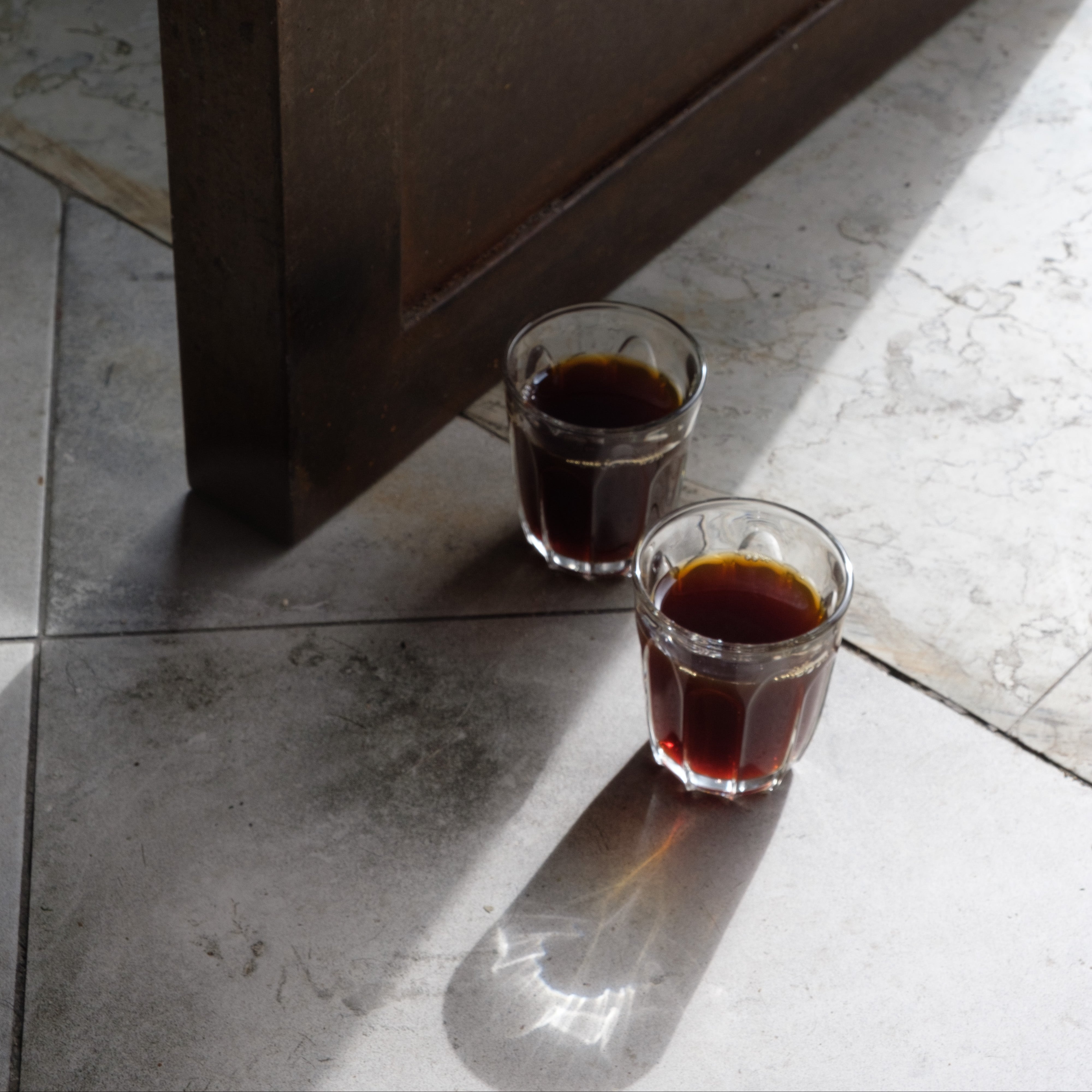
Doppio is the Italian word for "double," and in the coffee world, it simply means a double espresso: two shots brewed in the same cup. It's a small, intense cup with a lot of flavor, and for us, it's one of the purest expressions of what a good bean can truly be.

In short, a doppio is a double espresso, about 60 ml brewed from approximately 18–20 g of ground coffee. It provides more coffee, more body, and more richness than a single espresso, but is still short, concentrated, and without milk.

What does doppio mean?

"Doppio" is pronounced dop-pi-o and simply means "double" in Italian. At a café, ordering a doppio will therefore get you two espresso shots served together in one cup. The name says nothing about a special technique or a secret recipe; it's solely about the quantity.

Therefore, you often encounter the word in two variations that mean the same thing: espresso doppio and doppio coffee. Both refer to the same double espresso.
Is a doppio just a double espresso?

Yes. A doppio isa double espresso; the two words describe exactly the same thing. The difference is only in the language: "doppio" is the Italian term, "dobbelt espresso" is the Danish translation.

What truly distinguishes a doppio from a single espresso is the quantity of coffee and water, not the flavour philosophy:

Espresso (solo)
Number of shots: 1
Ground coffee (approx.): 9-10 g
Finished cup (approx.): 25-30 ml
Flavour impression: Short and intense
Typical use: Quick espresso

Doppio (double espresso)
Number of shots: 2
Ground coffee: 18-20 g
Finished cup: 50-60 ml
Flavour impression: More body, richness, and aftertaste
Typical use: Espresso to savour, or base for milk drinks

A small point that often surprises: a doppio is not necessarily twice as strong in taste, but it gives you more coffee to taste and thus more room to experience the bean's notes.

How a doppio tastes and what you can use it for

Because you are working with more coffee, you get a cup with a clearer body and a longer aftertaste than a single espresso. This makes the doppio a favourite when you really want to feel what the bean can do: sweetness, acidity, and the aromas we work to highlight when we roast.

A doppio works both as a cup in itself and as the foundation for most milk-based drinks. When you order a cortado, cappuccinoor macchiato, it is often precisely a doppio that forms the base.

Copenhagen Coffee Lab explains: We roast all our beans at our own roastery in Copenhagen and adjust the roasting profile for each coffee. In a doppio, there is no milk to hide behind, making it an honest test of both the bean and the brewing.

How to brew the perfect doppio

A good doppio is all about precision: the right amount of coffee, the right grind size, even tamping, and the right temperature and extraction time. The same factors that determine a good espresso also determine a good doppio; you're just working with a double dose.

Our brewing guide

  • 18–20 g of ground coffee for a doppio
  • 25–30 seconds of extraction
  • Around 50–60 ml in the cup
  • Preheated cup and a calibrated machine

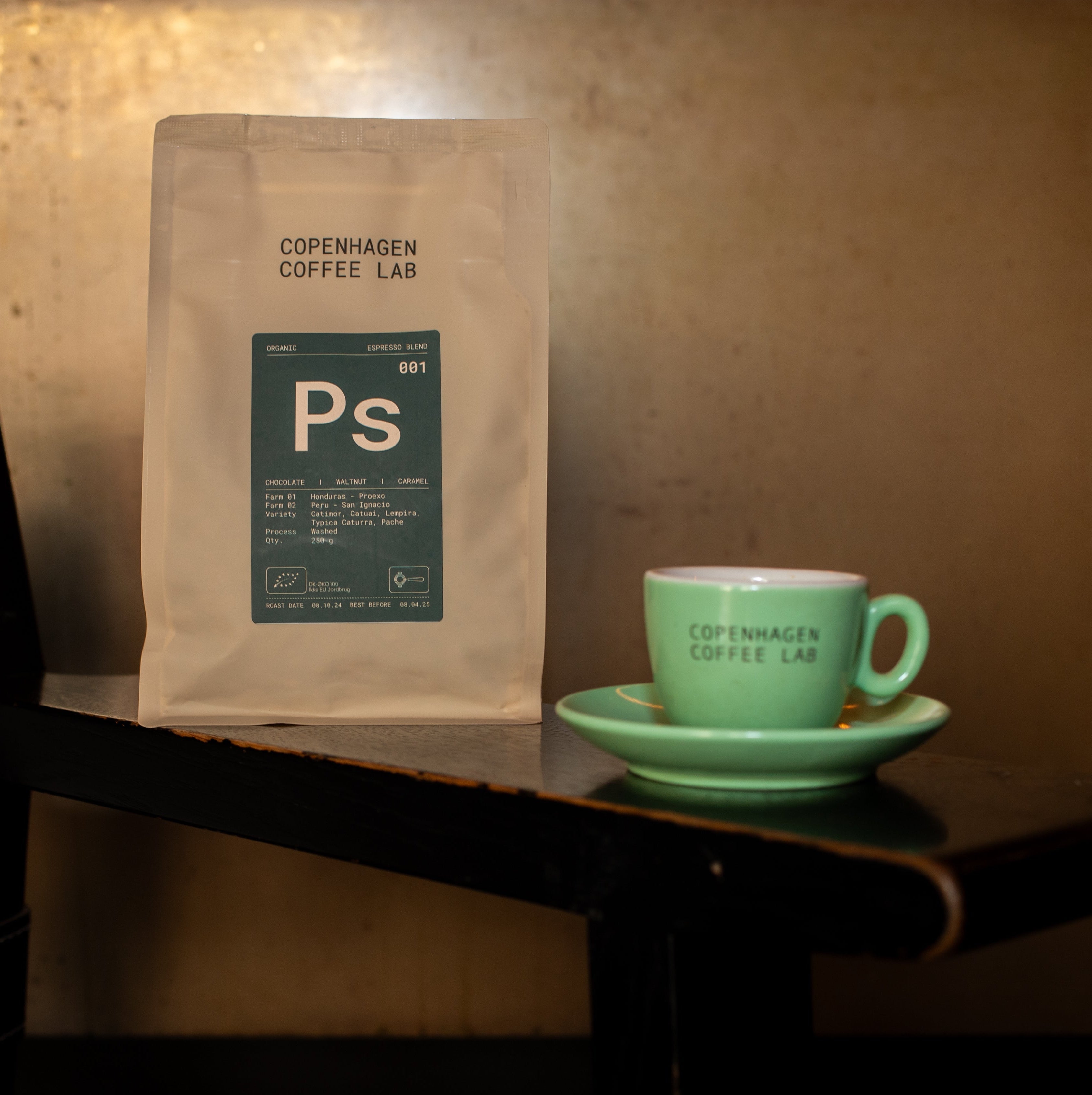
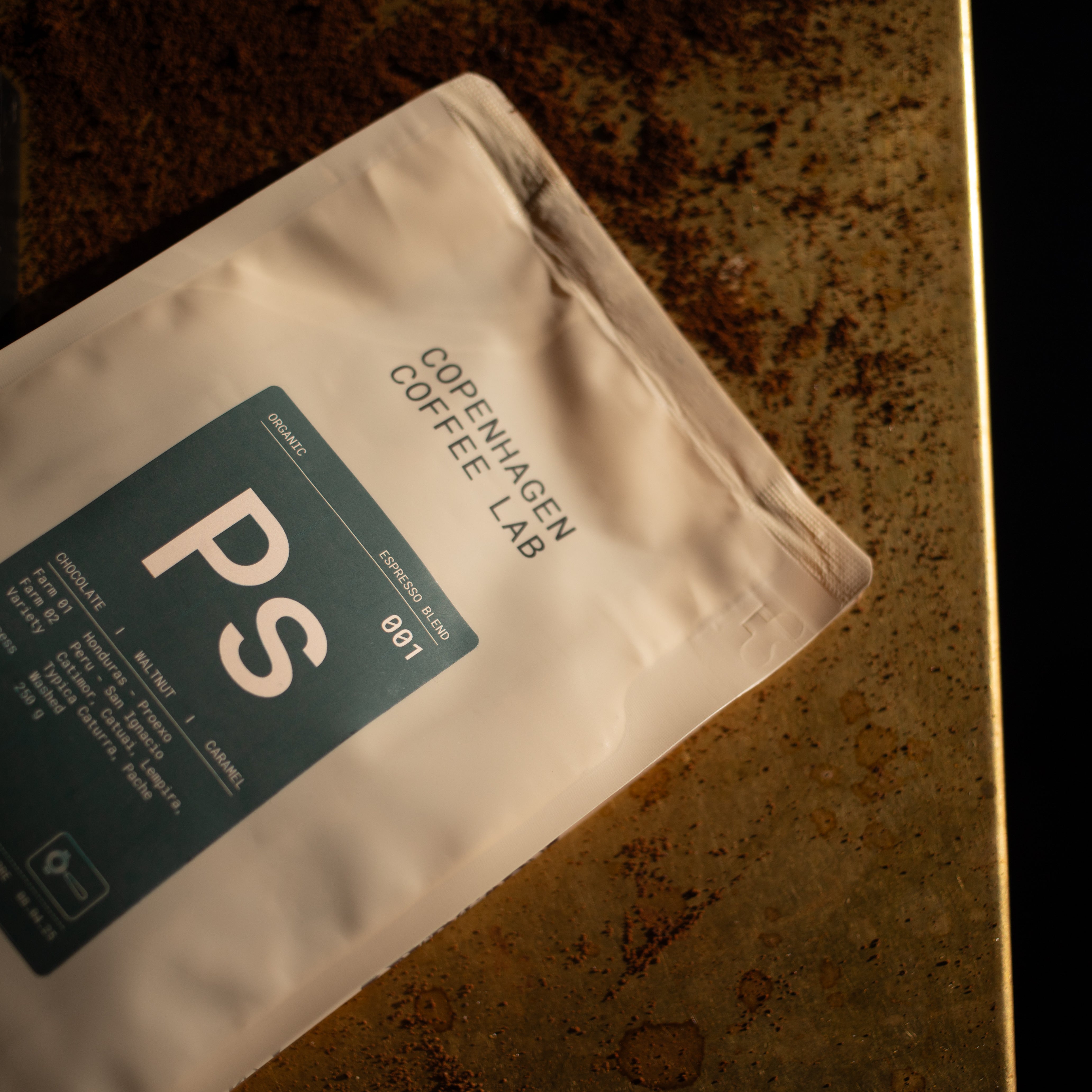
We recommend grinding the beans fresh, as this provides the freshness and full aroma that makes the biggest difference in a cup without milk. If you want the exact recipe for your specific coffee, you'll find a brewing guide on each product page. Our espresso, Campo Das Vertentes, is an obvious place to start.

Doppio vs. other espresso drinks

Once you understand the doppio, the rest of the menu is easier to decipher; the difference lies in the amount of milk:

  • Cortado: equal parts espresso and hot milk, without foam.
  • Macchiato: espresso "marked" with a small amount of milk foam.
  • Cappuccino: equal parts espresso, steamed milk, and foam.

The doppio is the only one in the group entirely without milk, pure coffee, double shot.

Conclusion, Copenhagen Coffee Lab perspective

The doppio is one of the most honest cups you can brew. There's no milk to round off the edges, so everything depends on the bean and the craftsmanship. This is precisely the kind of cup we roast for: freshly roasted, carefully selected, and created to be fully tasted. If you want to get started, explore our beansand find your next doppio favourite.

FAQ

What does the word doppio mean?

Doppio means “double” in Italian. In the context of coffee, it refers to a double espresso.

Are a doppio and a double espresso the same?

Yes. They are two names for the same drink; "doppio" is just the Italian term.

How much coffee is in a doppio?

Typically around 50–60 ml in the cup, brewed from approximately 18–20 g of ground coffee.

Which beans are best suited for a doppio?

Beans roasted for espresso. As there is no milk, the bean's character comes through clearly; see our espresso beans.

Is a doppio twice as strong as a single espresso?

You get twice as much coffee, but the taste isn't necessarily perceived as twice as intense, rather with more body and a longer aftertaste.