Skip to content

Cart

Your cart is empty

Continue shopping
Nitro kaffe: silkeblød koldbryg med boblende bid
Written by Jonas Munch Schmidt-AndersenUpdated / Brewing methods / 5 minutes

Nitro coffee: silky smooth cold brew with a bubbly bite

Nitro coffee is cold brew coffee infused with nitrogen. This gives it a creamy, almost stout-like texture, a subtle sweetness, and a bubbly mouthfeel, all without milk or sugar. Here's a brief explanation of what it is, how it tastes, and how it's made.

In short, Nitro coffee = cold brew + nitrogen (N₂). The nitrogen creates dense, fine bubbles that give the coffee a silky-smooth mouthfeel and a natural sweetness. It's served cold, from a tap or can, and typically enjoyed black.

What is nitro coffee?

Nitro coffee starts as regular cold brew: coffee that steeps slowly in cold water for many hours instead of being hot brewed. The result is a smooth, low-acid coffee. When nitrogen is then added under pressure, the texture completely transforms. The small, dense bubbles create a velvety layer on the tongue and enhance the sweetness already present in the cold brew.

You're familiar with the effect from a draft beer: the same cascade of microbubbles, the same creamy head. The difference is that here there's no alcohol and no added sugar, just coffee, water, and gas.

What does "nitro" mean?

"Nitro" is short for nitrogen, or N₂, the same gas that makes up most of the air we breathe. Unlike carbon dioxide (CO₂), which makes drinks acidic and fizzy, nitrogen is flavorless and forms smaller, softer bubbles. This is why the coffee becomes creamy rather than crisp on the palate.

What does nitro coffee taste like?

Think round, smooth and slightly sweet. Because cold brew extracts without heat, you get significantly less bitterness and acidity than in a hot cup, and the nitrogen further enhances the sweetness. Many find it naturally sweet, even though it contains neither milk nor sugar.

Here are the three cold classics compared:

Nitro coffee
Base: Cold brew + nitrogen
Texture: Creamy, bubbly
Sweetness: Naturally sweet
Acidity/bitterness: Very low
Served: Cold, usually black

Cold brew
Base: Cold-extracted coffee
Texture: Smooth, round
Sweetness: Mild sweetness
Acidity/bitterness: Low
Served: Cold, black or with milk

Iced coffee
Base: Hot brew poured over ice
Texture: Watery, refreshing
Sweetness: Depends on brew
Acidity/bitterness: Medium
Served: Cold, often with milk

Because the taste is so clean, the quality of the beans becomes very apparent. There's no heat, milk, or sugar to hide behind, and that's precisely why the choice of coffee means everything (more on that below).

How to make nitro coffee, step-by-step

The basic principle is simple, whether done in a cafe or at home:

  1. Brew a good cold brew. Coarsely ground coffee steeps in cold water for typically 12–24 hours and is then filtered.
  2. Chill and infuse with nitrogen. The cold brew is pressurized with nitrogen, either via a keg system with a nitrogen tank or a smaller nitro dispenser.
  3. Pour slowly. The coffee is poured through a nozzle with small holes, releasing the nitrogen in the characteristic cascade and forming the creamy head.


Can you make nitro coffee at home?

Yes. You don't need a full keg system. With a nitro dispenser or a cream/nitro siphon with nitrogen cartridges (N₂), you can make surprisingly good nitro at home. The most important thing is to start with a well-brewed cold brew made from fresh beans; the gas enhances the flavor, but it cannot rescue a thin or bland coffee. If you prefer to stick to the classic, a simple Kalita setupis a calm place to start brewing.

The right beans for nitro

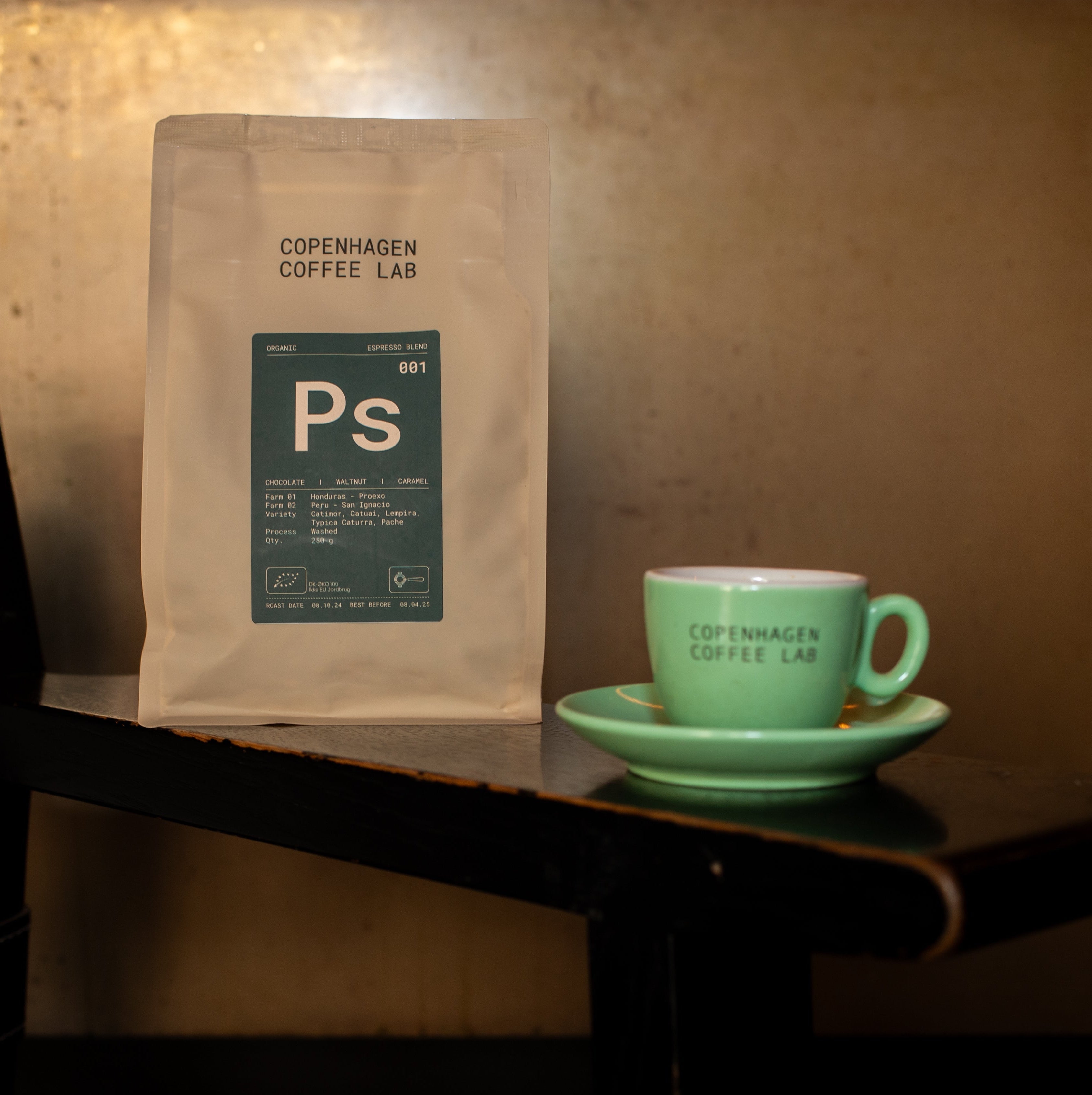
Because nitro is consumed black and cold, everything stands out: sweetness, fruitiness, body, and aftertaste. We select beans we believe in, grown under the right conditions and freshly roasted in our own roastery in Copenhagen. For nitro, coffee with clear sweetness and a round body works particularly well, where cold brew can highlight the soft, sweet notes.

  • If you like chocolate, nut, and a full body, look towards our espresso roasts.
  • If you prefer a lighter, more fruity expression, many of our filter coffeesare an excellent choice for cold brew.
  • If you want to know that the choice has also been made with respect all the way back to the source, several of the beans are available as organic coffee.


Nitro coffee and caffeine, what you need to know

A nitro feels soft and light, but it is not weak. Cold brew is often quite concentrated, so the caffeine content can easily match, or exceed, a regular cup, depending on strength and quantity. The low bitterness and creamy texture just make it easier to drink. Therefore, enjoy it as you would a strong cup of coffee, preferably early in the day rather than late in the evening.

Copenhagen Coffee Lab perspective

For us, nitro is a fine example of a simple idea that achieves something great: take a well-brewed cold brew, add a little gas, and suddenly you experience the coffee's sweetness and body in a whole new way. It requires a few tricks, good beans, time, and care.

FAQ

Is there milk in nitro coffee?

No. The creaminess comes from the nitrogen bubbles, not from milk. A classic nitro is black and plant-based in itself. If you want it milder, you can, of course, add milk or a plant-based drink.

Is nitro coffee the same as cold brew?

Nitro is made from cold brew, but it's not the same. The difference is the nitrogen, which gives it that creamy texture and foamy head. All nitro is cold brew, but not all cold brew is nitro.

Why nitrogen and not carbon dioxide?

Carbon dioxide makes drinks acidic and sharply sparkling. Nitrogen is taste-neutral and forms smaller, softer bubbles, making the coffee creamy instead of acidic.

Should nitro coffee be drunk immediately?

Yes, preferably. The creamy head and cascade effect are best when freshly poured. Let it stand for a moment so the bubbles can settle, then drink it without stirring.

Can you do nitro on light roasts?

Yes. Lighter, fruitier beans yield a fresh, clean nitro, while darker roasts provide more chocolate and body. It's a matter of taste, both can be really good.