Skip to content

Cart

Your cart is empty

Continue shopping
Hvad er Typica kaffe?
Written by Jonas Munch Schmidt-AndersenUpdated / Coffee / 5 minutes

What is Typica coffee?

If you've delved into the world of coffee, you've probably come across the word Typica. Typica is one of the oldest and most original Arabica varieties in the world and, in fact, a kind of "ancestor" to many of the coffee types we drink today.

Typica is not a country, a roast, or a flavor in itself. It is a botanical variety of Coffea arabica, from which other well-known varieties such as Bourbon, Caturra, and Typica hybrids originate or are related to.

In short: Typica is an original Arabica coffee variety known for its clean, clear, and acidic flavor profile with notes of citrus and flowers. It is one of the two "foundation varieties" (along with Bourbon) from which the majority of the world's Arabica coffee descends.

Typica in brief

Type: Arabica variety
Origin: Yemen (via Ethiopia), spread globally from the 17th-18th centuries
Flavor profile: Clean, sweet, acidic - often citrus, floral, and a hint of spice
Yield: Low compared to modern varieties
Disease resistance: Low, vulnerable to coffee leaf rust, among other things
Found today in: Honduras, Guatemala, Peru, Jamaica, and Indonesia, among others
Known for: Being the "mother variety" for many popular Arabica types

Where does Typica come from? (in brief)

Typica is one of the very first coffee varieties that left Yemen and spread to the rest of the world. Historically, for many years, Typica (and Bourbon) was largely the only Arabica coffee cultivated globally, from Latin America to Southeast Asia.

Because Typica yields are relatively low and it is susceptible to diseases, it has been cross-bred and further developed into more robust varieties over the decades. But it is precisely for this reason that Typica is still interesting today: it represents a kind of "original flavor" that many coffee connoisseurs highly appreciate.

How Typica coffee tastes

The question most people actually ask is: how does Typica taste?

Typica is known for a clean and elegant flavor profile rather than power and richness. You can typically expect:

  • Acidity: Lively, but balanced, often with citrus notes
  • Sweetness: Natural and light, without being dominant
  • Body: Medium to light, rarely heavy or oily
  • Aroma: Floral, sometimes with a hint of spice or nut

As with Arabica in general, origin, soil, and processing influence the final cup. Two Typica coffees from different countries can therefore taste distinctly different, but the characteristic cleanliness often recurs.

Typica vs. Other Varieties

One of the questions people often search for is how Typica differs from other well-known varieties. Here's a quick overview:

Typica
Relationship to Typica: Original variety
Flavor Notes: Clean, acidic, floral
Yield: Low

Bourbon
Relationship to Typica: Sister variety to Typica
Flavor Notes: Sweeter, fuller-bodied
Yield: Low-medium

Caturra
Relationship to Typica: Natural mutation of Bourbon
Flavor Notes: Sharper acidity, less complex
Yield: High

Catuai
Relationship to Typica: Hybrid (Mundo Novo x Caturra)
Flavor Notes: Versatile, milder
Yield: High

Pache
Relationship to Typica: Mutation of Typica
Flavor Notes: Similar to Typica, more compact plant
Yield: Medium

Is Typica better than other varieties? Not necessarily "better," but different. Typica sacrifices yield and robustness for purity in the cup. That's why you most often find Typica on smaller farms and specialty coffee producers who prioritize quality over quantity.

Is Typica a good coffee?

Yes, if you appreciate a clean, classic Arabica flavor over intensity and bitterness.

Typica is not necessarily the most "spectacular" variety in the cup compared to, for example, Geisha, but it is often one of the most honest expressions of what Arabica coffee is fundamentally about: balance, sweetness, and purity.

Typica at Copenhagen Coffee Lab

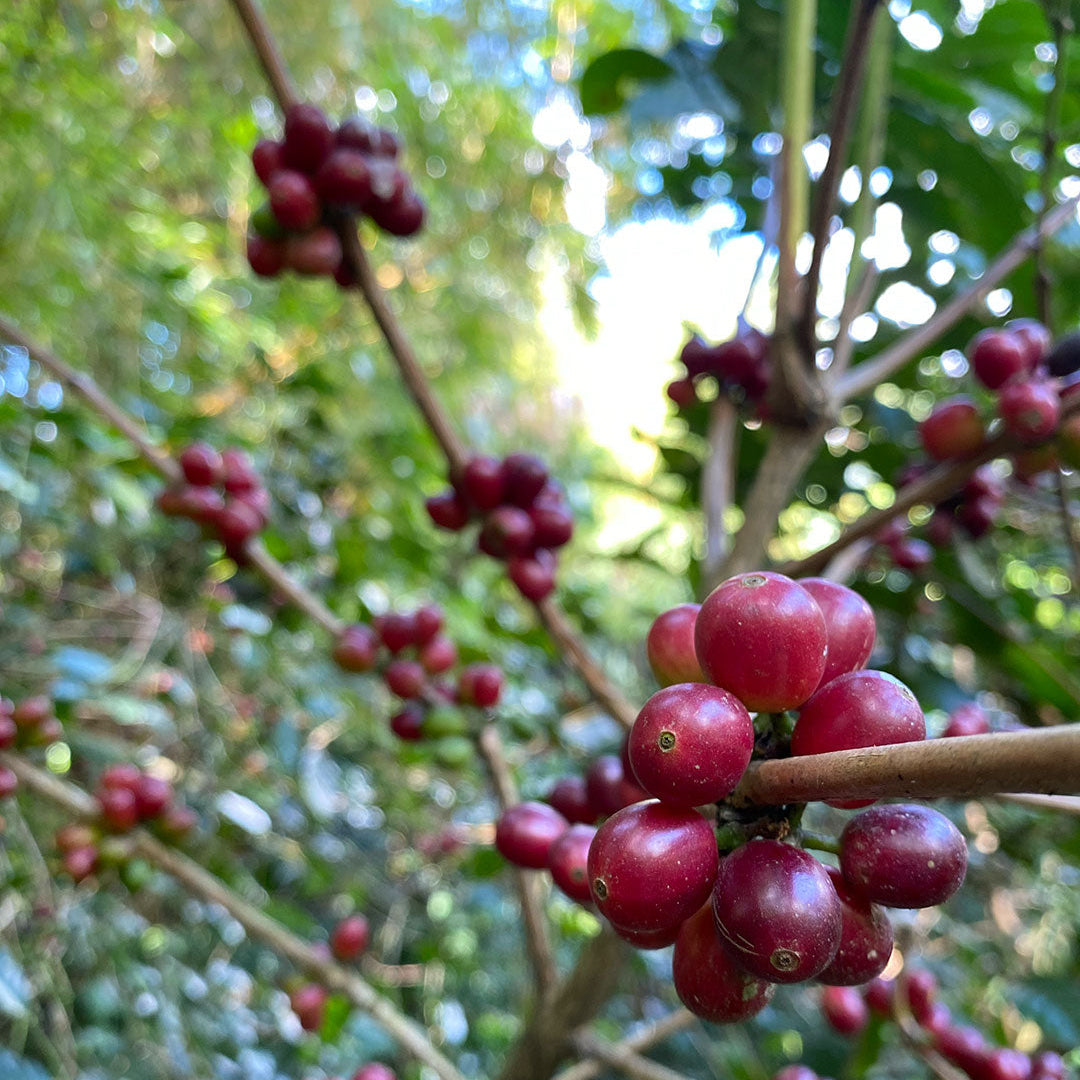
At Copenhagen Coffee Lab, we work with beans from Central and South America, where Typica is often part of the botanical composition on farms, either alone or with other varieties in the same field.

A concrete example is our PS Blend – Honduras & Peru, where the variety list includes Typica along with Catimor, Catuai, Lempira, Caturra, and Pache. This results in a cup with a fine balance of sweetness, soft acidity, and body — precisely the type of complexity you can thank varietal diversity like Typica for.

How to brew the best out of Typica

Because Typica is known for purity and acidity rather than intensity, the variety typically expresses itself best in brewing methods that emphasize clarity over heaviness:

  • Filter coffee / pour-over: Best highlights the floral and acidic notes
  • Light to medium roast: Preserves more of the original flavor nuances
  • Espresso: Works well in blends (like our PS Blend), where Typica contributes finesse rather than standing alone

For you, this means: If you love a cup of coffee that feels clean and elegant rather than strong and bitter, coffee with Typica content is worth looking out for, especially as filter coffee.

FAQ

Is Typica an Arabica or Robusta coffee?

Typica is an Arabica variety, in fact, one of the oldest known. It does not belong to the Robusta family at all.

Why isn't Typica more widespread today?

Typica yields less than newer varieties and is more vulnerable to diseases like coffee rust. For this reason, many producers have over time switched to more robust, high-yielding varieties, while Typica is primarily grown by farms that prioritize flavor quality.

Can I buy pure Typica coffee at Copenhagen Coffee Lab?

We are continuously working with beans where the varietal composition varies by harvest and farm. Typica is currently included in ourPS Blend.

Is Typica coffee more expensive than other varietals?

Typica is often more expensive to produce due to its low yield and higher risk of crop loss. This is sometimes reflected in the price, but it does not in itself guarantee higher quality.