Skip to content

Cart

Your cart is empty

Continue shopping
Wiener melange: hvad er det, og hvordan laver du det?
Written by Jonas Munch Schmidt-AndersenUpdated / Coffee / 5 minutes

Viennese melange: what is it, and how do you make it?

Most Danes have encountered the name Wiener melange on a powder sachet in the supermarket – sweet, cocoa-mixed, and convenient. But it's not really a Wiener melange. The original is something quite different: a gentle, well-balanced coffee drink from Vienna's famous coffee houses, reminiscent of a cappuccino, but with its very own character.

Here's the full explanation.

In short: What is a Wiener melange?

A Wiener melange is an Austrian coffee drink made from filter-brewed coffee (or mild espresso), heated milk, and a layer of soft milk foam. It is served in a cup of approx. 200 ml and is closer to a cappuccino than to the sugary powder you know from the Danish supermarket. "Wiener" means Viennese, and "Melange" is German for blend.

What is a Wiener melange?

A Wiener melange originates from the classic Viennese coffee house culture, which is on UNESCO's list of intangible cultural heritage. In Vienna, it is traditionally served with a glass of water and with peace and time to enjoy it.

The drink is composed of three elements:

  • Filter coffee or mild espresso, the base, which is softer than a classic espresso

  • Steamed milk, adding creamy tones and rounding off the taste experience

  • Milk foam, a light, airy layer on top

It is the combination of mild coffee and foam that gives the Wiener melange its special character: round, soft, and a little more reserved than a cappuccino.
Why is it called Wiener Melange?

"Melange" simply means "mixture" in French and German, and that's precisely what the drink is: a blend of coffee and milk. "Wiener" refers to Vienna, and the drink is a staple of Austrian coffee culture, dating back to the 17th century.

In classic Viennese coffee houses, such as Café Sperl and Café Central, Wiener Melange is still a daily ritual. It is not ordered as a quick take-away but as a break in itself.

Wiener Melange vs. cappuccino, what's the difference?

The two drinks are related but not identical. Here are the main differences:

Wiener Melange
Coffee base: Filter coffee or mild espresso
Milk: Steamed milk, rich layer
Foam: Soft and light
Intensity: Mild and round
Serving: Approx. 200 ml, in a cup with a saucer
Origin: Vienna, Austria

Cappuccino
Coffee base: Double espresso
Milk: Steamed milk, thinner layer
Foam: Dense and velvety
Intensity: Stronger and more espresso-dominated
Serving: Approx. 150-200 ml
Origin: Italy

In short: a Wiener Melange is the milder, slightly more laid-back cousin to the cappuccino. It suits those who like the taste of coffee but prefer a softer experience.

Read more about cappuccino here

The Danish and Viennese versions, two very different drinks

It's important to distinguish here: what is sold in Denmark as "Wiener melange" in powder form, typically a mixture of coffee, cocoa, sugar, and cream powder, is not a Wiener melange in the traditional sense. It's an interpretation that originated in the Nordic market, taking its name from the original but little else.

The authentic Wiener melange contains neither cocoa, sugar, nor cream powder. It is coffee, milk, and foam, and nothing else.

Wiener melange recipe: how to make it yourself

A good Wiener melange doesn't require professional equipment, but it does require good ingredients and a little patience.

You will need:

  • 1 cup of filter coffee or 1 shot of mild espresso (approx. 60-80 ml)
  • 80-100 ml whole milk or low-fat milk
  • A small coffee cup of approx. 150-200 ml

How to make it:

  1. Brew a cup of filter coffee using your preferred method, or make a single shot of espresso and dilute it slightly with hot water.
  2. Heat the milk to approx. 60-65°C and lightly froth it; you want a soft, creamy consistency, not stiff foam.
  3. Pour the coffee into the cup, add the steamed milk, and finish with a layer of soft foam on top.
  4. Serve immediately, preferably with a small glass of water on the side, as is customary in Vienna.

The key is to use coffee with a mild and rounded flavour profile. Avoid overly dark or heavily roasted beans; they can overpower the balance that makes Wiener melange so enjoyable.

Which coffee is best for a Wiener melange?

For a Wiener melange, we recommend a bean with softness, sweetness, and a certain roundness, not too intense, but still with character.

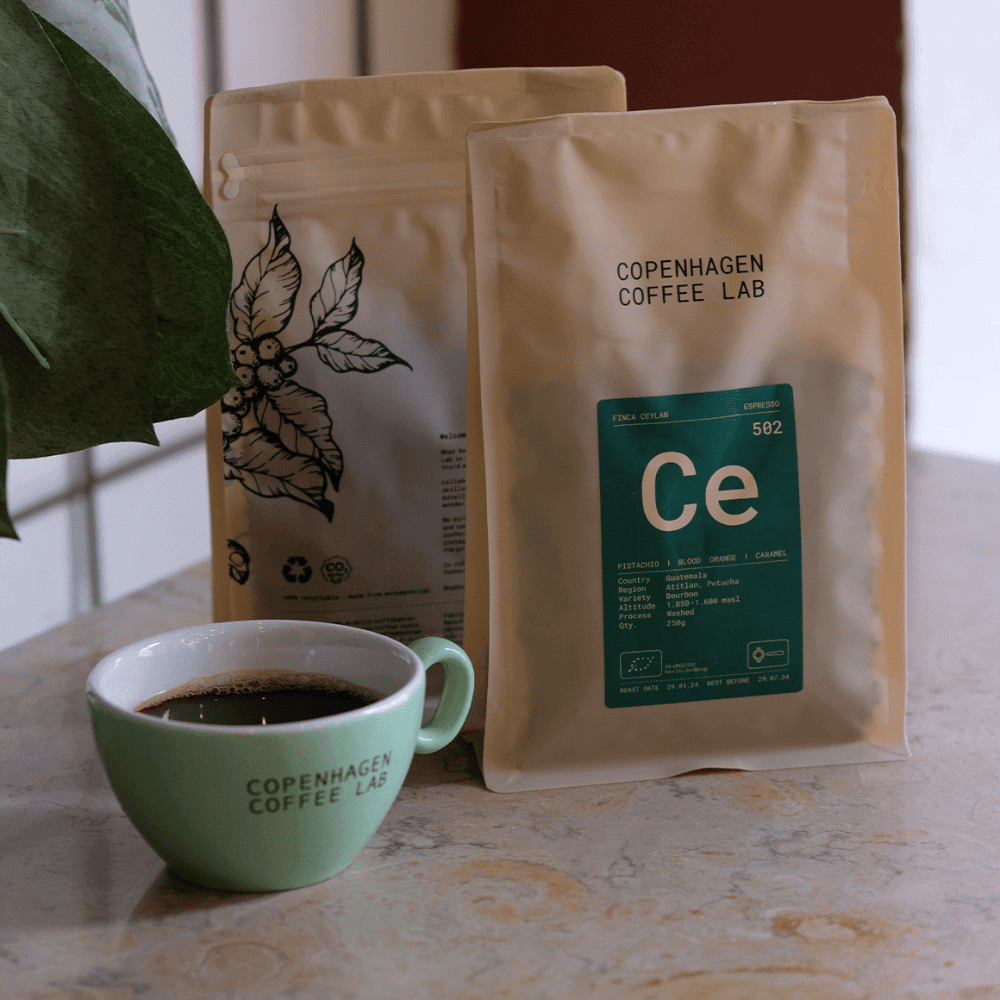
Our Campo das Vertentes from Brazilis a strong choice: it has a creamy, nutty profile that pairs beautifully with steamed milk without overpowering it. If you prefer a little more complexity, our Finca Ceylan from Guatemalais a good option; with its bright, well-balanced notes, it works surprisingly well for milder milk drinks.

See all our espresso beans

We roast all our beans in our own roastery in Copenhagen and always ship coffee roasted within the last 10 days. This is the kind of freshness that truly makes a difference in the cup and elevates even a simple Wiener melange into something memorable.

FAQ

What is the difference between a Wiener Melange and a cappuccino?

A cappuccino is espresso-based and has a compact, dense layer of foam. A Wiener melange is milder; it uses filter coffee or diluted espresso and has a softer, lighter foam. The result is a more subdued and rounded flavour experience.

Does a Wiener melange contain cocoa?

The original Viennese version is not, it is pure coffee, milk, and foam. The cocoa-containing variant, which is widespread in Denmark, is a Nordic interpretation that has taken its name from the original but differs significantly.

What does "melange" mean in the coffee world?

"Melange" is French and German for "mixture". In a coffee context, it refers to the mixture of coffee and milk. It is not only used for Viennese melange but also appears in other European coffee traditions such as the French "café mélange".

Can you use dark roasted espresso for a Wiener Melange?

You can, but it is not recommended. A Wiener melange is designed to be mild and balanced; a dark, intense roast will often dominate and remove the softness that characterizes the drink. Choose a medium roast bean with a touch of sweetness.