Skip to content

Cart

Your cart is empty

Continue shopping
Yirgacheffe kaffe, den etiopiske kaffe alle taler om
Written by Jonas Munch Schmidt-AndersenUpdated / Coffee variety / 5 minutes

Yirgacheffe coffee, the Ethiopian coffee everyone's talking about

If you've ever encountered specialty coffee, you've probably come across the name Yirgacheffe. It is one of the most renowned coffee origins in the world, and for good reason. Here you will find the answer to what Yirgacheffe coffee actually is, how it tastes, and how to get the most out of it at home.

In short: What is Yirgacheffe coffee?

Yirgacheffe is a district in the Gedeo Zone in southern Ethiopia, known for producing some of the world's most floral and fruity Arabica coffees. The coffee is typically grown at an altitude of 1,700-2,200 meters and is characterized by notes of jasmine, citrus, bergamot, and berries – a flavor profile often described as "wine-like" or tea-like in its lightness.
Where does Yirgacheffe coffee come from?

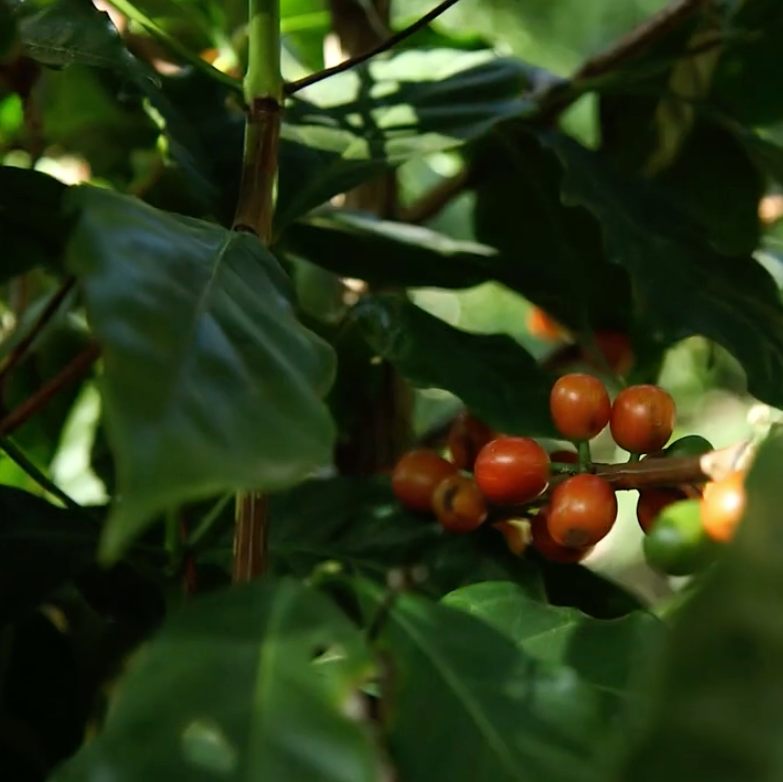
Yirgacheffe is located in the Gedeo zone, one of Ethiopia's most coffee-dense regions, where coffee plants in many places grow in what is called "garden coffee" – small, shaded gardens close to the villages, often cultivated by families through generations rather than on large plantations.

Ethiopia is generally considered the cradle of Arabica coffee, and this is one of the reasons why the country often tops searches like "where do the best coffee beans come from". The high growing altitude, stable climate, and many local heirloom varieties (coffee plants that have never been industrially crossed) give Yirgacheffe coffee its characteristic complexity.

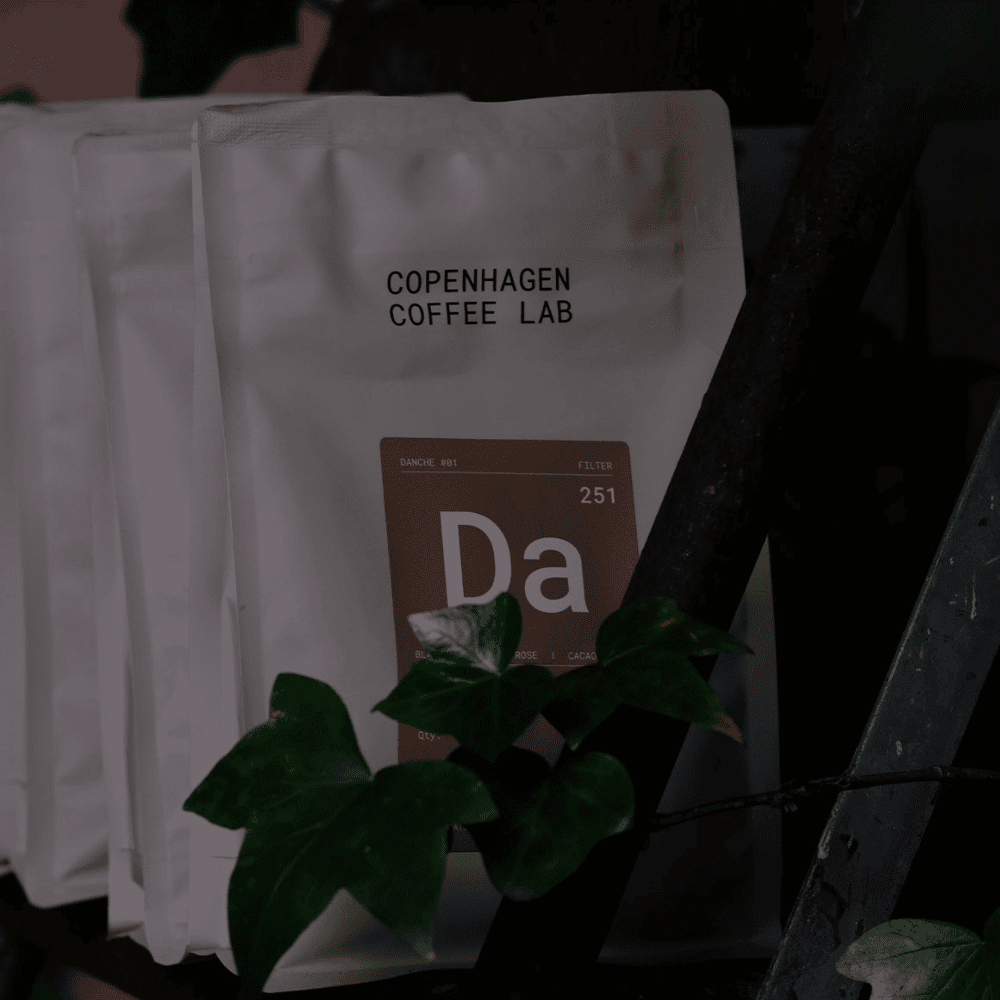
Our own Ethiopian coffee, Bildimoo Danche, does not come from the Yirgacheffe district itself, but from the Danche Washing Station in the same Gedeo zone, with the same soil, same altitude level (2,300 masl), and the same heirloom tradition that makes the region so sought after.

What does Yirgacheffe coffee taste like?

Yirgacheffe is known for a bright, aromatic, and acidic cup, the opposite of the dark, strong coffee many associate with "strong coffee." This often answers one of the most frequently asked questions:What is Ethiopia known for?The answer, when it comes to coffee, is precisely this unique, floral flavor profile.

Typical Yirgacheffe (washed)
Region: Yirgacheffe, Gedeo zone
Altitude: 1,700-2,200 masl
Variety: Heirloom
Process: Washed
Flavor notes: Jasmine, citrus, bergamot, black tea
Sweetness: Medium
Acidity: High, clear
Body: Light-medium

Bildimoo Danche from CCL (natural)
Region: Danche, Gedeo zone
Altitude: 2,300 masl
Variety: Heirloom
Process: Natural
Flavor notes: Dried pineapple, cola, plum jam, lychee, ginger
Sweetness: 5/5
Acidity: 3/5
Body: 3/5

The difference between the two columns in the table primarily concerns processing, and that brings us to one of the questions we most frequently receive.

Washed vs. Natural Yirgacheffe, what's the difference?

Most classic Yirgacheffe coffees are washed, which gives them the clean, tea-like, floral profile the coffee is famous for. But in recent years, several producers in the region, including Danche Washing Station, have experimented with natural processing, where the coffee cherry is dried whole with the bean inside the fruit.

The result is a significantly sweeter and more fruit-driven cup, with notes more reminiscent of cola, dried fruit, and jam than jasmine and tea. This is precisely the transformation we experience in our Bildimoo Danche: the same high terroir as the Yirgacheffe area, but a completely different expression thanks to the process.

How to best brew Yirgacheffe coffee

Because coffees from this region have a light, aromatic profile, the nuances are best highlighted in filter coffee, e.g., a Kalita Dripper or AeroPress, where the clear cup allows space for the floral and fruity notes. Espresso machines work best with darker roasts, while precisely this type of coffee needs to breathe.

Copenhagen Coffee Lab explains: Our Bildimoo Danche is roasted for filter, and we recommend brewing with water that is not too hot (around 92-94 °C), so you avoid over-extracting the delicate acids and instead emphasize the sweetness from the natural drying. Danche

Copenhagen Coffee Lab and Ethiopia, our approach

We see ourselves not as coffee suppliers, but as coffee lovers on a journey. This means we seek out our producers physically instead of only trading through intermediaries, also in Ethiopia, where our collaboration with Danche Washing Station is a continuation of a relationship we are proud to build upon.

All our beans are roasted in our own roastery in Sydhavn, Copenhagen, and are always sent freshly roasted, typically within 2 weeks of roasting. This also applies to our Ethiopian coffee, where we emphasize highlighting the uniqueness of this particular terroir, rather than forcing it into a generic roast profile.

For you, this means: When you buy a bag of Bildimoo Danche from us, you don't just get "Ethiopian coffee", you get a specific cup, roasted with care for precisely the profile created by natural drying.

FAQ

Is Yirgacheffe a coffee bean or a region?

Yirgacheffe is a region (a district in the Gedeo Zone, Ethiopia), not a bean variety. The coffee is typically grown from heirloom varieties, which are local, uncrossed coffee plants.

What is the best coffee in the world?

There is no single definitive answer, but Ethiopia and Yirgacheffe in particular are often mentioned among the most respected origins in the specialty coffee world due to the unique combination of altitude, soil, and heirloom varieties.

Can you get Yirgacheffe coffee as natural process?

Yes. Although the region is traditionally known for washed coffees, several washing stations in the area, including Danche, are increasingly working with natural processing, which yields a sweeter, more fruit-driven cup.

Does Copenhagen Coffee Lab sell coffee directly from Yirgacheffe

We are currently selling Bildimoo Danche, which comes from the Danche Washing Station in the same Gedeo zone as Yirgacheffe, with the same altitude level and heirloom tradition.

Which country has the best coffee?

It depends on taste, but Ethiopia is often mentioned at the top thanks to its role as the country of origin of Arabica coffee and the great variety of heirloom varieties found there.