Skip to content

Cart

Your cart is empty

Continue shopping
Hvad er en ristretto?
Written by Jonas Munch Schmidt-AndersenUpdated / Coffee / 5 minutes

What is a ristretto?

A ristretto is a shorter, more concentrated version of an espresso. You brew it with the same amount of coffee, but with less water, and the result is a small, intense cup with more sweetness and less bitterness. Ristretto is one of the best ways to experience how much flavor is hidden in freshly roasted beans.

In short, a ristretto is an espresso brewed with the same amount of coffee, but about half as much water (typically 15–20 ml). This results in a smaller, denser, and sweeter cup than a regular espresso, often with less bitterness.

The word "ristretto" means "restricted" or "narrowed" in Italian, and it describes exactly what happens in the cup: We restrict the water so that we only extract the first, most aromatic part of the coffee.
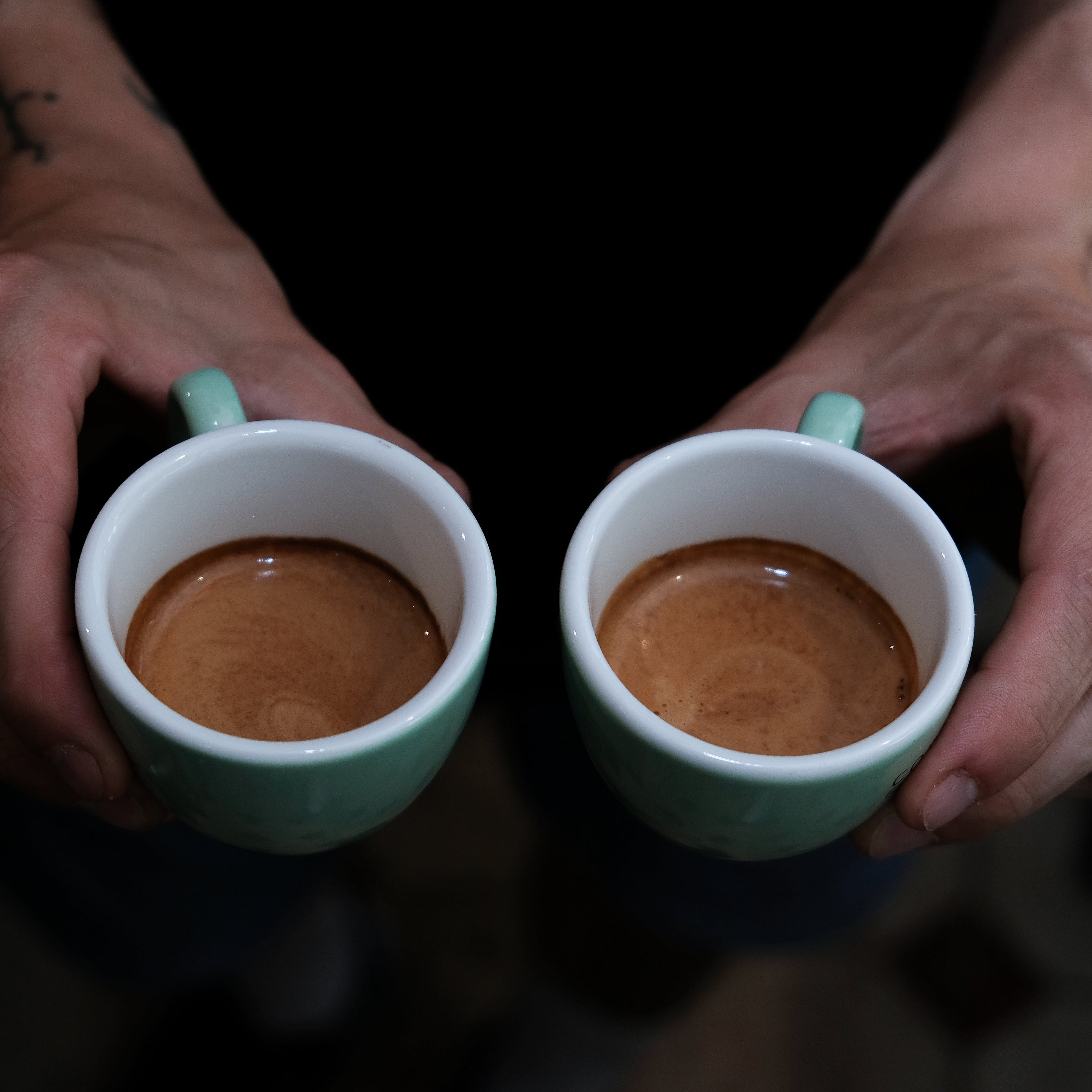
Ristretto vs. espresso, what's the difference?

The short answer: The same beans and the same amount of coffee, but less water and a shorter extraction time. It's primarily the amount of water and the extraction that distinguishes the two.

Ristretto
Water volume: Approx. 15-20 ml
Coffee amount: Same as Espresso
Extraction time: Shorter
Flavor profile: Sweeter, rounder and less bitter
Volume in cup: Smaller

Espresso
Water volume (single): Approx. 25-30 ml
Coffee amount: Standard espresso dose
Flavor profile: Full-bodied and intense, more balanced body
Volume in cup: Larger

Because we stop the brewing earlier, a large portion of the more bitter and astringent substances never get extracted. This is why many people perceive a ristretto as sweeter and more concentrated, even though it is smaller.

What is the difference between espresso and ristretto? The difference is not in the bean, but in the brewing: a ristretto uses less water and a shorter extraction, so you get a smaller cup with more focused sweetness.

Is ristretto stronger than espresso?

That depends on what you mean by "stronger".

  • In taste: Yes. A ristretto is perceived as more intense and concentrated because the flavor is packed into less liquid.
  • In caffeine: Not necessarily. Since you use the same amount of coffee, but less water and a shorter contact time, a ristretto often ends up with roughly the same, or slightly less caffeine than an espresso. So it tastes stronger than it technically is.

So if you're looking for a small, powerful cup with lots of flavor, ristretto is an obvious choice, without necessarily giving you more caffeine than your usual espresso.

The taste of a ristretto

A well-brewed ristretto is sweet, round, and full-bodied, with a dense crema and a lingering aftertaste. Because we only extract the early part of the extraction, the bean's natural sweetness and fruit notes emerge more clearly, while bitterness recedes into the background.

Which notes you encounter depends entirely on the bean. With a coffee like ourCampo Das Vertentesfor example, you can expect chocolate and dried fruit, and precisely these sweeter, round profiles suit the ristretto format very well.

How to make a ristretto at home

You don't need any equipment other than your espresso machine. The difference lies in when you stop.

  1. Start with fresh beans. Grind them just before brewing for full aroma. We recommend whole beans roasted for espresso.
  2. Use the same dose as for espresso. Typically 18–20 g for a double.
  3. Grind a little finer. A slightly finer grind helps you get a good extraction in a shorter time.
  4. Stop brewing earlier. Aim for approximately half the volume compared to an espresso.
  5. Taste it. If it's too sharp, adjust grind and time until the sweetness emerges.

Copenhagen Coffee Lab explains: A ristretto is a good "calibration cup": If it tastes sweet and balanced, your grind and dose are likely in top form. If it's sour or thin, grind a little finer and try again.

Do you want the exact figures for your specific coffee? We create a brewing guide for each individual bean, which you can find on the product page.

Ristretto in the Copenhagen Coffee Lab universe

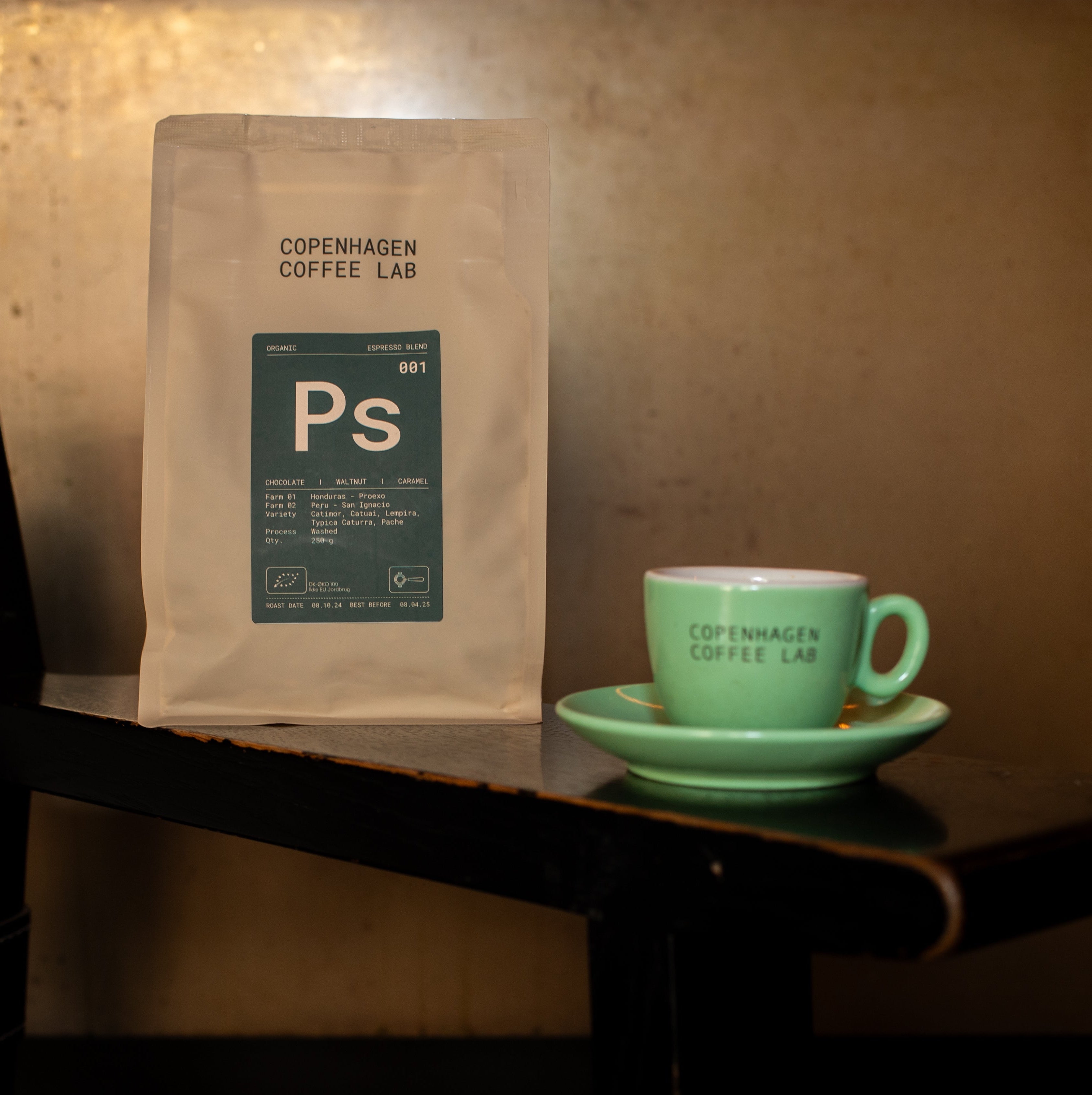
All our beans are roasted no more than 10 days before you receive them at our own roastery in Copenhagen, to ensure you receive the best product. When the cup is so small and concentrated, freshness and bean quality mean everything, and this is exactly where a good ristretto comes into its own.

Do you want to experiment further? A ristretto is also an excellent foundation for milk-based drinks; try it in acortadoor aflat white, where the concentrated sweetness can truly be tasted through the milk.

Find our espresso beans

FAQ

What does ristretto mean?

Ristretto means "restricted" or "narrow" in Italian. The name refers to the fact that it is brewed with less water than an espresso.

How many ml is a ristretto?

A single ristretto is typically around 15–20 ml, which is about half the volume of a standard espresso.

Which beans are best suited for ristretto?

Beans with natural sweetness and round notes, such as chocolate, nuts or dried fruit, work well because the sweetness becomes even more pronounced in the concentrated cup.

Can a ristretto be used in coffee with milk?

Yes. The concentrated flavour makes it a good base for drinks like cortados and flat whites, where the coffee needs to stand out through the milk.