
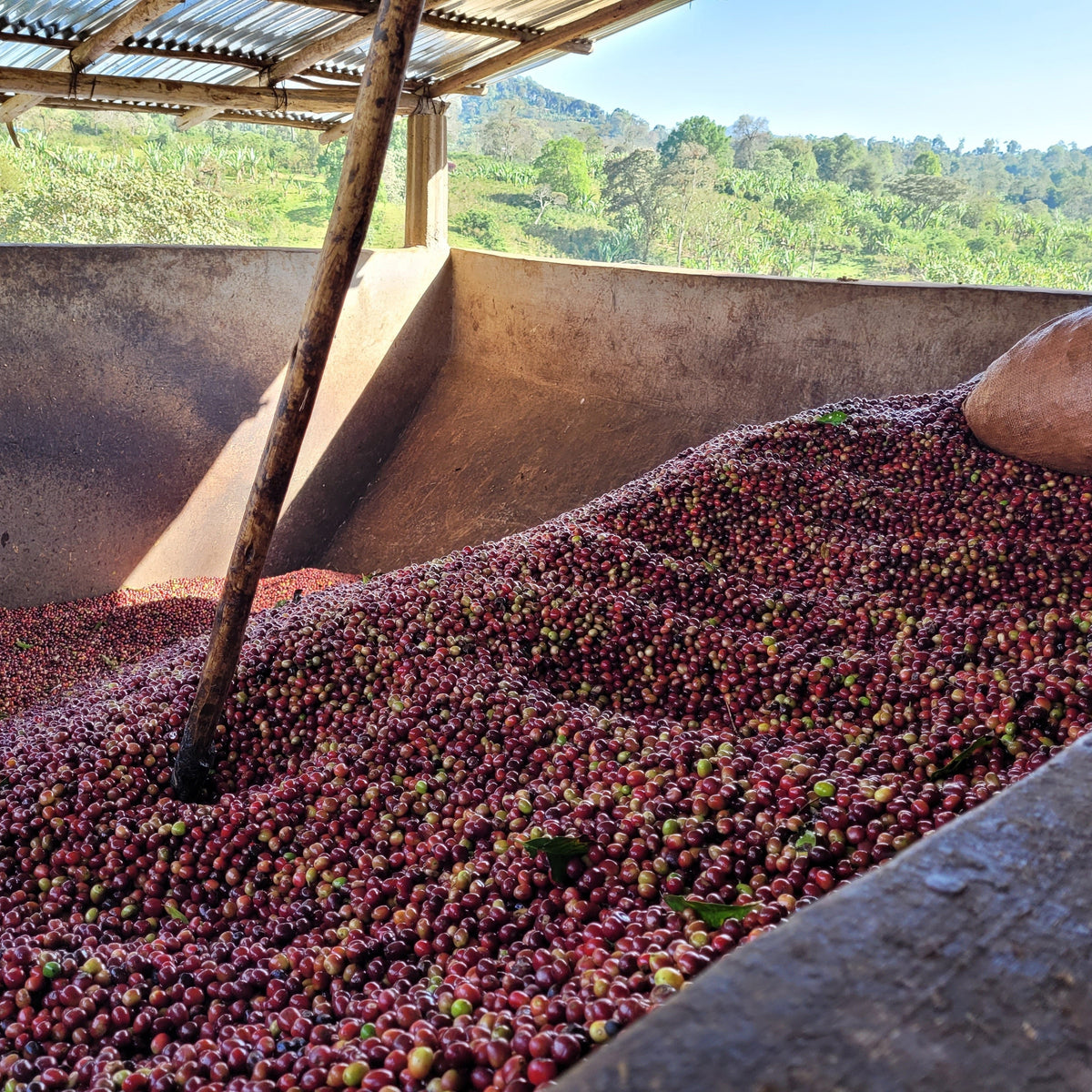
Coffee from Peru: Taste, Origin, and Our Organic Favorite
Coffee from Peru is known for its delicate sweetness, mild acidity, and round, balanced body, a profile that makes it one of the most approachable origins to fall in love with, whether you drink it black or with milk. At Copenhagen Coffee Lab, we have chosen to feature one of our espressos, Negrisa, from Peru, and in this article, we answer the typical questions you might have about coffee from Peru: what are its characteristics, where is it grown, and why did we choose this particular bean.
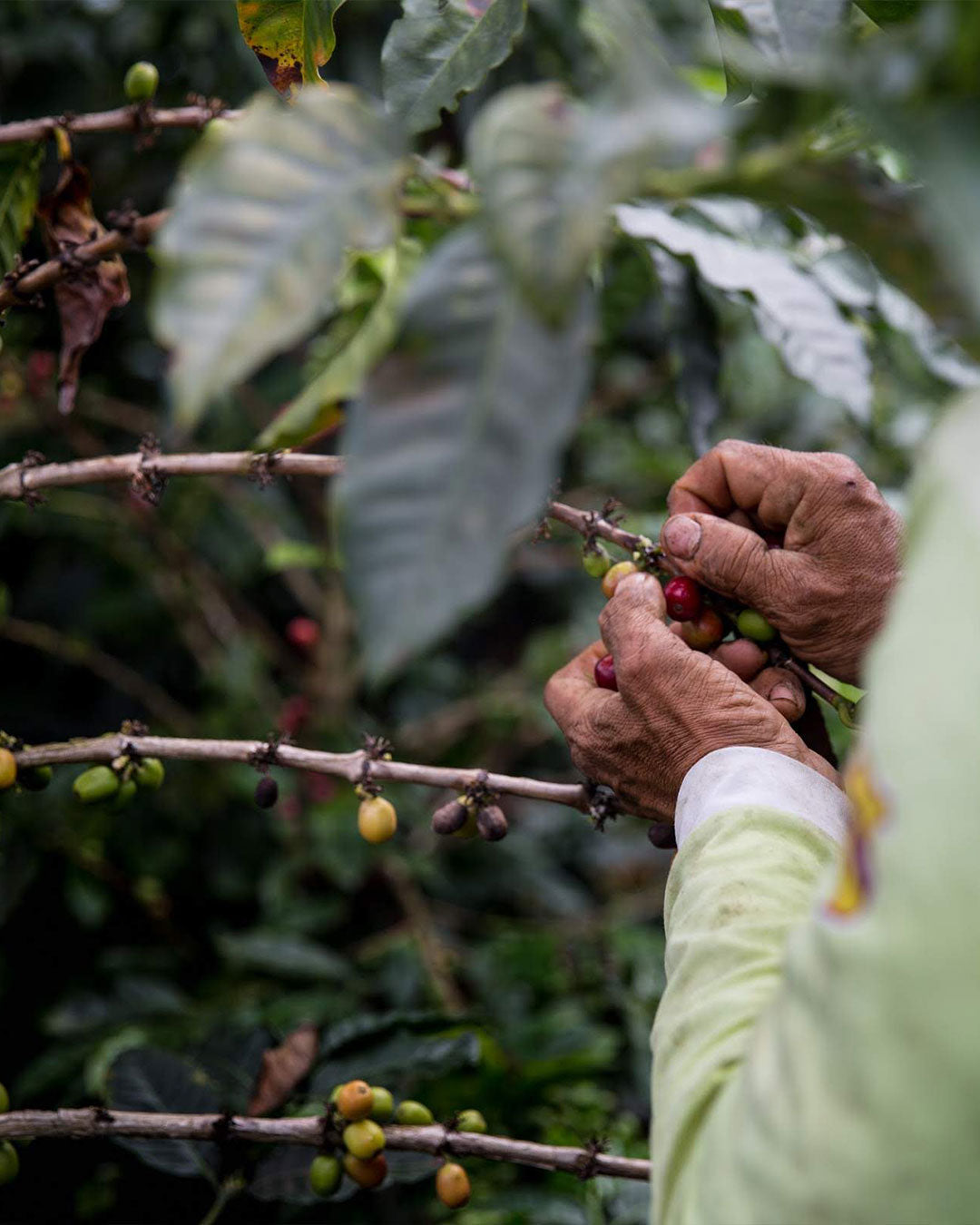
In short: Coffee from Peru is typically grown in high, mountainous areas with warm days and cold nights, which allows the beans to mature slowly. The result is a soft, sweet cup with low acidity and notes that often lean towards chocolate, nuts, and ripe fruits. Much Peruvian coffee is certified organic because it is often grown by small family farms without the use of artificial fertilizers and pesticides.
FAQ
Read more
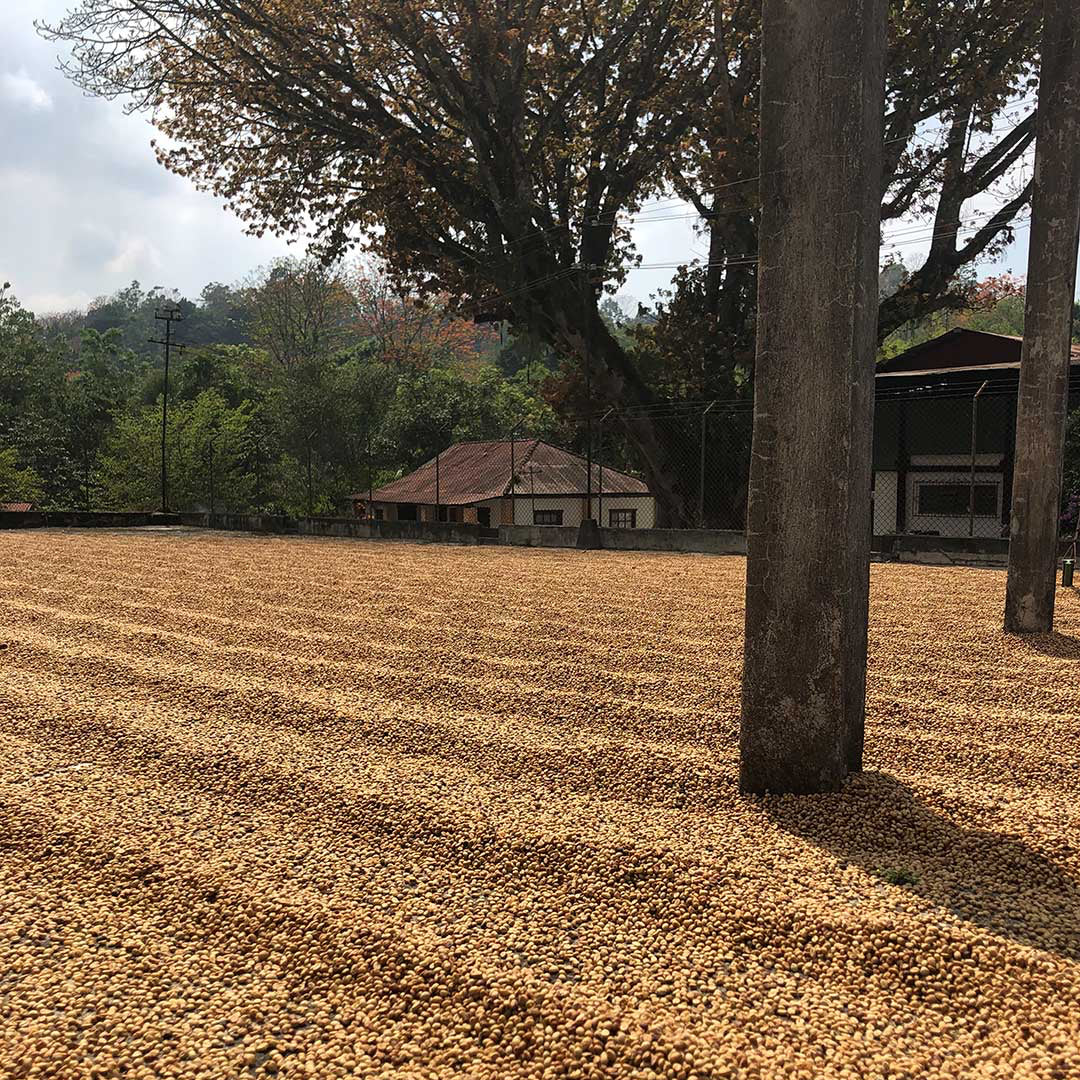
Guatemala is one of the most respected countries of origin in the specialty coffee world, and for good reason. Here, volcanic soil, high mountain slopes, and generations of craftsmanship meet in a ...
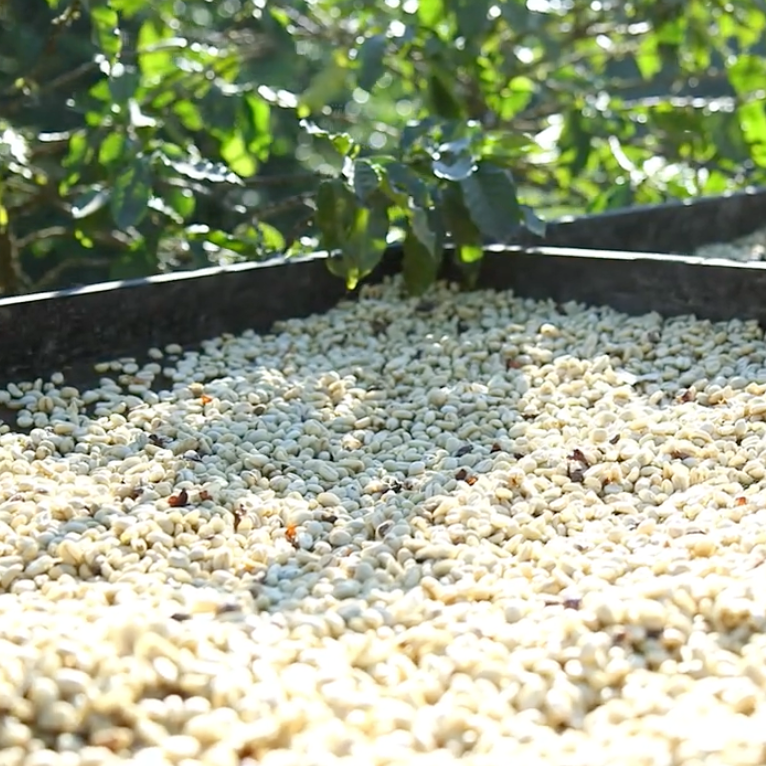
If you have landed here, it is probably because you have encountered a coffee from Sumatra, Java, or Sulawesi somewhere and are wondering what makes it so different. In short: Indonesian coffee is ...